
- Luke Acupuncture408 Investors Pl #101
Virginia Beach, VA 23452(Texting Preferred) -
 See All Reviews
 Kandi Whittenton01:50 19 Apr 19He is very professional and explains everything you need to know before proceeding. It’s comforting to know he is not fast at trying to fix every concern at one time but starts with your main concern and works to bring balance then eliminates the other ailments towards recovery. I was nervous having my first acupuncture treatment but he thoroughly explained the process, making sure I was comfortable and didn’t even feel a thing (being scared of needles). I’m glad coming to Luke was the best choice.
 Robin Fulford16:49 18 Oct 18He’s great. I had my eggs frozen. I did 3 cycles of egg retrieval. My first cycle was done without acupuncture and I only got 1 egg. My next 2 were done with his help, and I got 4 each time. I truly believe it made a difference. Thank you Luke!
 Ana Sequeira01:17 16 Jan 18I love Dr. Luke, he’s super professional and kind. I enjoy acupuncture because it doesn’t hurt and I’m always super relaxed when I’m done. It has helped me a lot with reducing my stress. And I’m also getting acupuncture to help with my infertility.
 Jen P02:12 04 Aug 17I am 34 years old and was diagnosed with PCOS at age 22. I went to see Dr. Luke in July 2016 after trying for one year to get pregnant. I had weekly acupuncture treatments and found out I was pregnant in October 2016. I now have a beautiful 3 week old baby boy. I do not believe this would be possible without Dr. Luke. I encourage anyone that is struggling with infertility to try acupuncture.
 Morgan Long21:49 18 Oct 16Dr Luke has been amazing! After going through countless stressful infertility procedures, i finally found Dr Luke right before our first round of IVF. The sessions are alway SO relaxing and just what I need. 3 years later with a toddler in tow, we are doing another round of IVF and so far Dr Luke has been my saving grace! I look forward to my weekly appointments because I always leave feeling relaxed, refreshed and sleep so much better at night. I highly recommend Dr Luke.. He's the best!
 dorina panchyhsyn16:19 18 Oct 16I love Dr. Luke work. I went with a severe low back pain and just after the first session I have felt a relief . He is very good to accommodate my work schedule as well. I recommend to everybody who faces muscle pain to go see him. He is the best!!!!!
 Deirdre Conaway20:57 20 Jul 16This review is long overdue.. As I hold my four month old little girl. It is all because of Luke. I had been married for about two years and had been unsuccessful getting pregnant. I had never used acupuncture and I was new to the area. However, when I went I was given a diagnosis and went every week for about a month and next month. I'm pregnant. I continued to go for the next 12 weeks almost and then I had relocate. But I highly recommend going to Luke he is great. Very professional and knowledgeable!! I'm forever grateful for his expertise.. My daughter is PERFECT!!!
Health WellNews
Three Tips for Maintaining Your Mental Health in Winter
Many people struggle during the winter months with their mental health. It could be the shorter days and darker nights, or it could be related to family issues and the holiday season. People deal with this in different ways, but it can lead to avoidance of social interactions, overeating or emotional eating, as well as a mental fogginess that can lead to negative thoughts and overwhelming feelings.

The survival instinct for many of us, especially those living in extremely cold regions of the world, is to wrap up in a blanket, eat lots of comfort food, and hibernate indoors. But it’s important to take inventory of your mental well being as much as your physical. Here are three tips to follow when evaluating your mental health this winter.
Listen to the Needs of Your Body
The winter days are shorter and the nights colder and darker and this definitely has an impact on our internal clocks. This low light can have our bodies ready for sleep earlier than usual in the lighter summer months. You might find yourself going to bed 20-30 minutes earlier than usual. Your body will tell you what it needs so make sure you listen and possibly incorporate a power nap mid-day if necessary.
Nutrition is Key
As previously mentioned, our tendency can often be to eat more and move less in the cold weather. Warm bowls of soup or pasta are often our favorite things when the temperature drops. But feed your hunger wisely and make sure you don’t go completely overboard with the comfort foods. Stock your pantry with nutritious food like nuts, crackers and hummus, yogurt and sweet potatoes. This will keep your physical health and your mental health strong through this cold season.
Keep on Moving
When it’s cold and snowy or rainy outside, the tendency is to grab a warm blanket and curl up with a book or binge watch the latest show you have been saving for just such weather. And this is a great plan in moderation. It’s important that you keep moving even when it’s cold outside. Our bodies need movement to stay healthy. If you don’t have a time set aside for regular exercise, you should consider adding this to your daily schedule. If you work inside and sit at a desk all day, set an alarm that reminds you to get up every hour and move; take a walk, stretch, or simply take the stairs instead of the elevator. Anything to keep your body in motion. This is a great way to keep your mind active as well.
Our physical and mental health are tied together so make sure they aren’t neglecting one or the other. Taking care of them both will set you up for a productive winter and help you welcome Spring with a healthy mind and heart.
Tips to Manage Fall Allergy Season
After such a scorching summer in much of the country, Fall is a welcome season bringing cooler temperatures, comforting food, and a gentle lead into winter. However, for many people, Fall also brings with it some severe allergies.
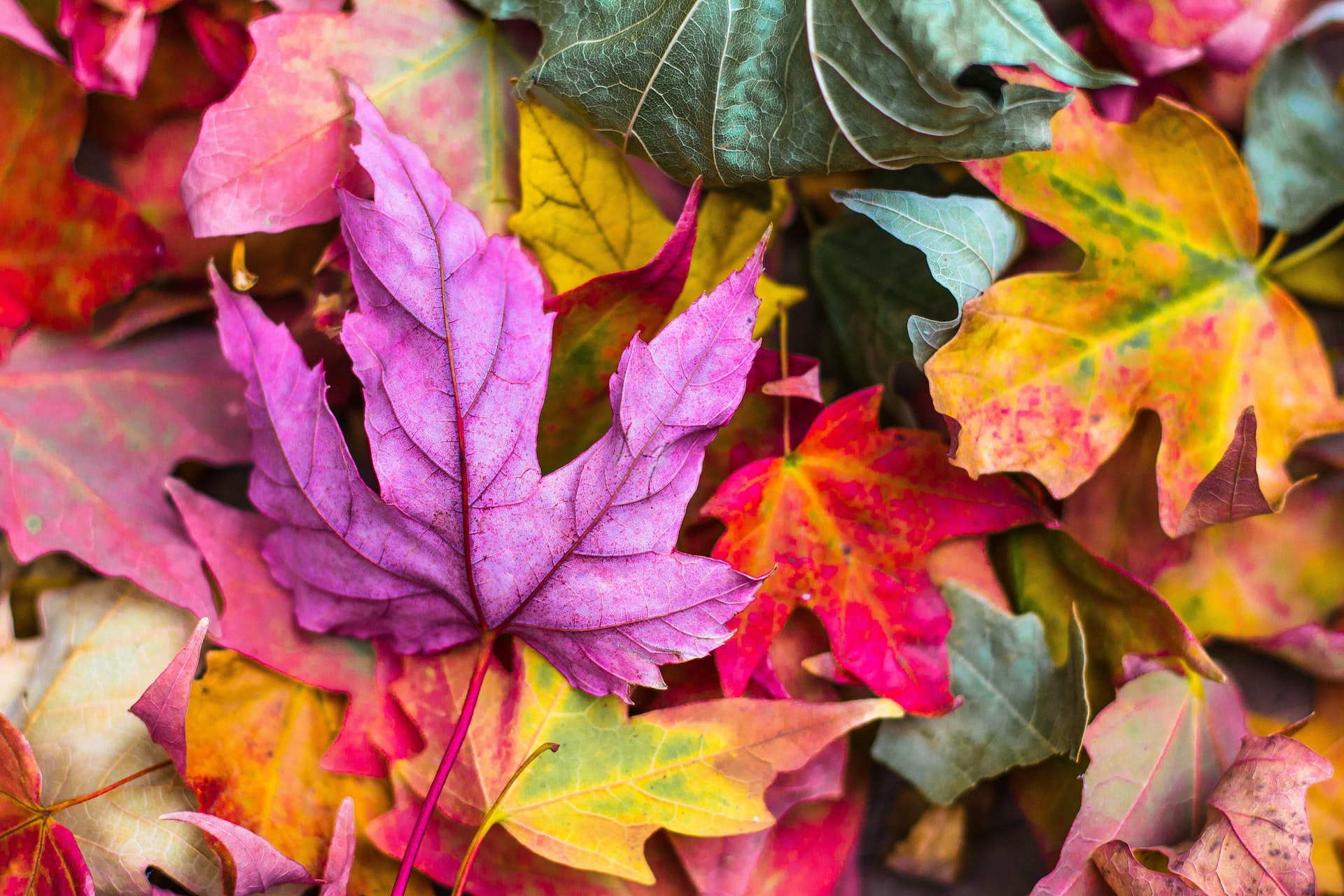
While most people may associate severe allergies with the Spring and Summer months when everything is in bloom, there are those who only suffer during the autumn. The main cause of Fall hay fever is typically weed pollen but, depending on where you are located, common fall allergens can include ragweed, sagebrush, burning bush, tumbleweed, and Russian thistle just to name a few.
If you suffer from these types of allergies, you are more than likely aware of days when pollen counts are especially high (windy and warm days). Rainy days are a welcome relief until the grasses dry and pollen counts soar once again.
A common Fall occurrence in many parts of the country is burning leaves after they fall from the trees. This is when mold can become a problem for those suffering from Fall allergies. When those piles of damp leaves are left alone to rot, mold can form and cause allergy sufferers all kinds of issues.
In some areas of the country, ragweed can cause problems from late August to mid-November. Ragweed thrives on warm days and cool nights and is found in every part of the country. As with most grasses, pollen counts are highest early in the morning.
Now that you know some of the more common Fall allergies, what can you do to make this season as painless as possible? It’s not realistic to lock yourself inside with nose spray and tissues but you can be strategic in your plan of attack to deal with the dreaded Fall allergy season. Here are a few tips to ease the burden:
- Make sure you are aware of pollen counts so you can limit your time outside during peak hours if possible.
- Use a HEPA filter and humidifier to keep airborne pollen levels manageable.
- Keep doors and windows closed, especially on days when pollen counts are high.
- Vacuum and dust regularly.
- Change clothes and take a shower after outdoor activities.
In addition to over-the-counter nasal sprays and antihistamines, check with your health care provider to discuss treatment options including acupuncture (which has a history of effectively treating allergies) and herbal remedies, as these are more natural options to dealing with Fall allergies.
Fall’s Best Comfort Food
One of the best things about the approach of Fall is the cooler temperatures that bring family recipes filled with warm comfort food. It’s no wonder Fall is often described as soup season. Hearty and warm soups filled with fall produce and rich broth bring warmth and comfort to family tables no matter where you live.
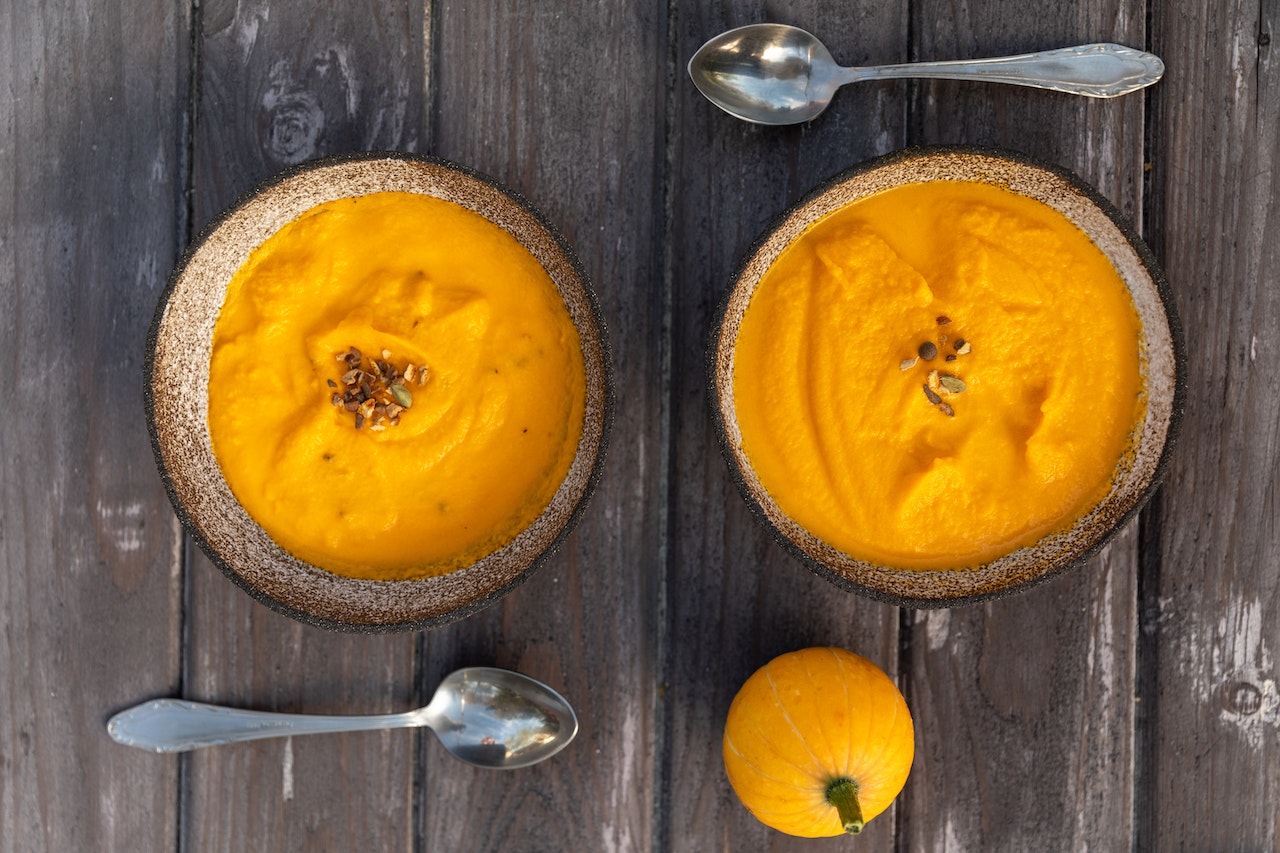
One of the most recognizable Fall vegetables must be pumpkin. But pumpkins aren’t just cute Halloween decorations. A quick search of the Internet will deliver dozens of pumpkin soup recipes right to your inbox. Here’s a favorite you may not have tried before: Pumpkin Soup with Coconut Milk. You can vary this soup recipe by choosing butternut squash as well and the addition of the coconut milk instead of heavy cream won’t be noticeable to most. Finishing it off with a healthy spoonful of plain Greek yogurt, chopped parsley and a drizzle of high-quality olive oil will have you going back for seconds and thirds! Making a double batch also leaves you extra to freeze and warm up later when time is short.
The prep time for this soup is approximately 30 minutes and the cook time is one hour and 35 minutes. This recipe will serve 8. And the roasting of the vegetables gives this soup a rich flavor you won’t forget.
Ingredient List:
- 1 large sweet potato
- 1 small pumpkin or butternut squash, peeled and cut into 1-inch cubes (shortcut: you can buy already cubed butternut squash in the freezer section of most grocery stores but fresh is best!)
- 3 large carrots, peeled and cut in half
- 2 large red onions, halved
- ¼ cup high-quality extra virgin olive oil
- 1 teaspoon of flakey sea salt
- ½ teaspoon ground allspice
- 1 pinch of white pepper
- 1 teaspoon ground nutmeg
- 1 teaspoon ground cumin
- 1 teaspoon ground coriander
- 1 teaspoon ground ginger
- 1 pinch ground black pepper
- 4 cups checking stock
- 2 (13.5 ounce) cans coconut milk
Directions:
- Preheat the oven to 350 degrees. Wrap sweet potato in foil and bake until soft, about 45 minutes
- While the sweet potato is roasting, place pumpkin, carrots and onions on a baking sheet. Brush with olive oil, sprinkle with salt, allspice and white pepper. Bake for 30-40 minutes until soft.
- Peel sweet potato and squash when cool enough to handle. Transfer to a large saucepan and add carrots, onions, nutmeg, cumin, coriander, ginger, salt and pepper. Stir in chicken stock and coconut milk. Bring to a boil; reduce heat and summer 20 minutes.
- Puree soup using an immersion blender or regular blender until smooth.
Serve warm with crusty bread and enjoy the tastes of Fall!
3 Tips to Keep Mentally Healthy in Fall
While many people embrace the approach of Fall, with its vibrant colors, cooler temperatures, and shorter days, others notice a dangerous shift in their mental health. For some, the decrease in temperature means more time indoors and that can have a negative impact on our physical and mental health. Here are three tips to maintain your mental health during the Fall.
Keep Your Vitamin D Levels in Check
It’s easy to get lots of Vitamin D during the warm summer months, but with shorter days comes fewer hours of sunshine which can translate to less time spent outside. This can make it increasingly difficult to get the Vitamin D you need.
Low levels of Vitamin D can cause a host of health issues so keeping your levels in check is important during the colder and sometimes darker fall and winter months. While you can increase your intake through diet changes, a Vitamin D supplement might be the most effective way to maintain your intake. The daily Vitamin D recommendation is 400-800 IU but some people need between 1000-4000 IU per day to keep levels in the right range. Make sure you talk to your health professional to see what is right for you.
The Importance of Sleep
The cooler temperatures of Fall can often bring the urge to hibernate or spend a little more time under those cozy blankets. But keep in mind that this could be disrupting your sleep patterns which can also bring about a host of health issues. The fewer hours of sunlight can also give the urge to stay in bed longer. Sleep experts recommend keeping the same bedtime and waking time throughout the week. Don’t let yourself sleep the weekends away! Use the cooler temperatures to your advantage as the body sleeps best in a cool environment.
Stay Hydrated
Believe it or not, we’re more likely to be dehydrated in the winter months. It makes sense if you think about it. It’s not as warm out so we’re less thirsty. Dry skin and a lack of energy might just be the keys to recognizing you’re dehydrated.
There are lots of ways to track your hydration including apps and fancy water bottles. You can also maintain your hydration through drinking herbal tea for a warm beverage during those cooler mornings and evenings. And you can incorporate foods with high moisture contents including apples, pears, celery, lettuces, cucumbers, butternut squash, and pomegranate among other options.
As you embrace sweater weather, embrace your mental health and make sure you are getting enough sleep, staying hydrated and keeping up with your Vitamin D. This can make all the difference in whether or not you enjoy a healthy Fall.
Cultivating Defensive Qi to Fight Summer Allergies
As the rebirth of Spring gives way to the long, hot days of summer, seasonal allergies may not go away with the change of season but might just shift to a new or more intense set of symptoms. These warmer temperatures can lead to even more pollen production which can lead to even harsher symptoms that Spring produced.

While Spring allergy season brings the pollen from the trees and flowers, summer is the time for grasses and weeds to release their pollen which then triggers a whole new round of sneezing, watery and red eyes. While pollen is still the main culprit, weeds like ragweed (the most common allergy because it can travel for hundreds of miles in the wind), sagebrush, tumbleweed, and pigweed to name a few will bring their own set of irritants. And grasses like Bermuda, blue grasses, sweet vernal and red top will also cause havoc for the sinuses. And don’t forget the increase in pet hair as pets shed to keep cool in the warm summer months.
And adding another layer of irritation is the insect bites that come from some of summer’s new residents like bees, wasps, yellow jackets, and fire ants. Dust mites also peak during summer and thrive in warm, humid temperatures.
Instead of just treating the symptoms of seasonal allergies, acupuncture goes to the root problem by rebalancing the body’s energy systems, enhancing the immune system, and helping the body to heal naturally. Your acupuncturist will go through a complete health history to help you determine the cause of the allergies and target meridians on the body including the lungs, stomach, spleen, and colon to circulate qi (a type of energy connected to immunity) and provide a defense against seasonal allergies. Stimulating certain acupuncture points on the body will lead to a restoration of balance and relief from the sometimes debilitating symptoms of seasonal allergies.
For a one-two punch in fighting your summer allergy symptoms, take the following precautions as you begin your acupuncture treatments:
- Limit your time outdoors when pollen counts, and smog levels are too high.
- Use an air purifier to keep pollutants at bay.
- Make sure you regularly clean air filters, vents, and anywhere pollen can collect.
- Wash your bedding and rugs in hot water so dust mites don’t have a chance to attack.
- Dust and vacuum often and use a vacuum with a HEPA filter.
- Wear a mask when cleaning and working in your yard.
Your acupuncturist may also develop an herbal formula to help you deal with your allergy symptoms. Herbs are a great addition to your treatments so talk to your acupuncturist about all your options. Don’t spend another groggy day suffering from your symptoms and the effects of the over-the-counter medications. Let your acupuncturist help you develop a safe and effective treatment protocol, so summer allergies don’t leave you hiding inside during these warm months.
